
Training course in national and international rail transport for freight
*It is recommended that participants complete SURCO Operations I before attending this course
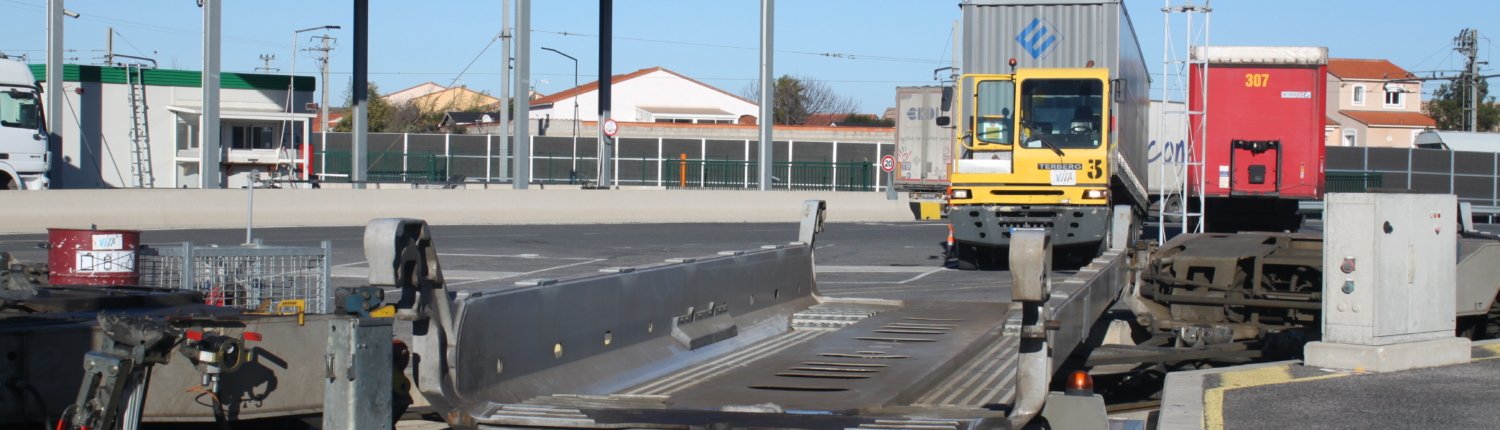
Accessing specialised training in intermodal transport and the operations that take place to move between different modes of transport, with a particular focus on rail transport, will allow you to design, build and manage door-to-door logistics operations more efficiently and safely, and will provide you with the tools to analyse direct costs and environmental impact for their subsequent optimisation. This advanced edition of the SURCO course takes you to explore the national rail infrastructure and services, and offers several visits to important national and international infrastructures, such as an Inland terminal in Zaragoza or a cross-border terminal in Perpignan.

Five days

English
Spanish
Other (contact us)

– Barcelona
– Trip to Zaragoza TmZ terminals
-Trip to Le Boulou (France)
– Trip to Perpignan (France)

€800
Included in the tuition are the training materials, transfers to Zaragoza and Perpignan, all activities listed in the programme and the diploma. Price subject to change.
Discounts available for alumni and collaborators!
- Analyze the different elements that are necessary to hire a train and their associated costs.
- To know the infrastructure and intermodal equipment that allow the use of rail transport as part of the multimodal transport chain.
- To promote the use of rail transport by disseminating its characteristics and particularities.
- To offer a complete training in intermodal rail logistics and rail services for professionals and logistics, transport and international business students.
- To foster collaborative work and group cohesiveness as a method to optimise the development of logistics chains.
- Professionals dedicated to the maritime-railway transport of freight and logistics
- Supply Chain specialists focused on transport operations
- Logistics, transport management and international business students
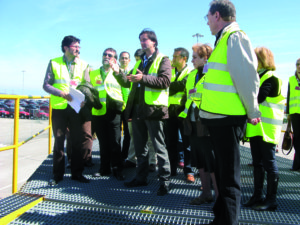
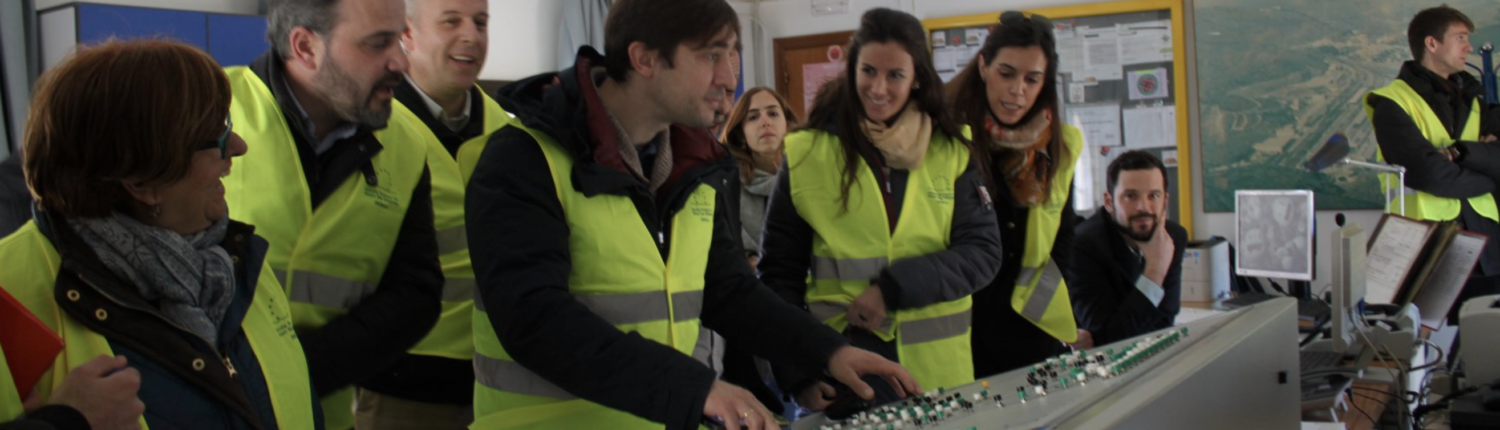
In this course participants gain a complete view of national and international rail operations management and infrastructures. It offers the opportunity to see first-hand how to manage and coordinate national and international railway transport and how to analize the viability in economical and environmental terms through the development of a technical case study by groups.
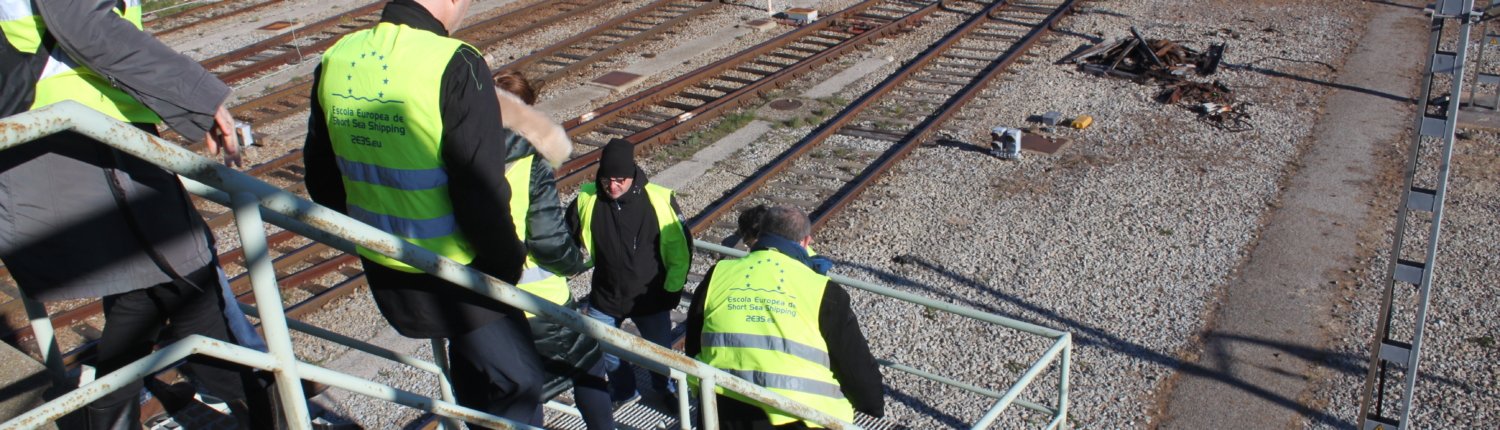
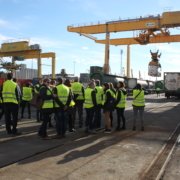
The course takes place in Barcelona and offers several visits to important national and international infrastructures, such as an Inland terminal in Zaragoza or a cross-border terminal in Perpignan. Highly experienced professionals explain first-hand how operations are organised, managed and developed in such logistics infrastructures.

Lectures
Workshops
Networking
- Railway Management and Operations
- Legislation applicable in Spain. The law of the railway sector, regulation and liberalisation
- Railway transport: context, evolution, European perspectives and the TEN-T
- Transport, the environment and External Costs calculations
- The raiway and transport: tmZ as a bet for the future
- Contracts and international railway transport
- Intermodal systems
- Terminal management and railway services
- Analysis of transport costs
- Services of international freight railway transport
Reviving the Silk Road: How China-Europe Rail Freight is Transforming Global Trade
/in #DidYouKnow, DidYouKnow-SURCO, Issue 51 | Summer 2024, Rail TransportThe Silk Road, historically known as the Silk Route, was an ancient network of trade paths that connected the East and West. Established during the Han Dynasty of China around 130 BCE, it was instrumental in the cultural, commercial, and technological exchange between various civilizations. The Silk Road traversed some of the most diverse terrains, including deserts, mountains, and plains, linking China with India, Persia, the Arabian Peninsula, and Europe.The Silk Road, historically known as the Silk Route, was an ancient network of trade paths that connected the East and West. Established during the Han Dynasty of China around 130 BCE, it was instrumental in the cultural, commercial, and technological exchange between various civilizations. The Silk Road traversed some of the most diverse terrains, including deserts, mountains, and plains, linking China with India, Persia, the Arabian Peninsula, and Europe.
On Track for the Future: Rail Freight in Europe 2024
/in #DidYouKnow, DidYouKnow-SURCO, Issue 50 | Spring 2024This month in our #DidYouKnow series, we’re taking a closer look at the dynamic and ever-evolving world of rail transport. Cast your mind back to 2021, hailed as the European […]
The future begins with the letter “R” for the railway
/in #DidYouKnow, DidYouKnow-SURCO, Issue 49 | Winter 2023We want to talk about the railway. But before that, I wanted to share a brief preamble. The easiest thing in life is making decisions. The difficult part is ensuring […]